How I used Claude Design + Figma to move a concept from stakeholder whiteboard to a team-scaled, shipped product
-
The VP of Product wanted to quickly validate a concept with stakeholders, without waiting on a full sprint cycle.
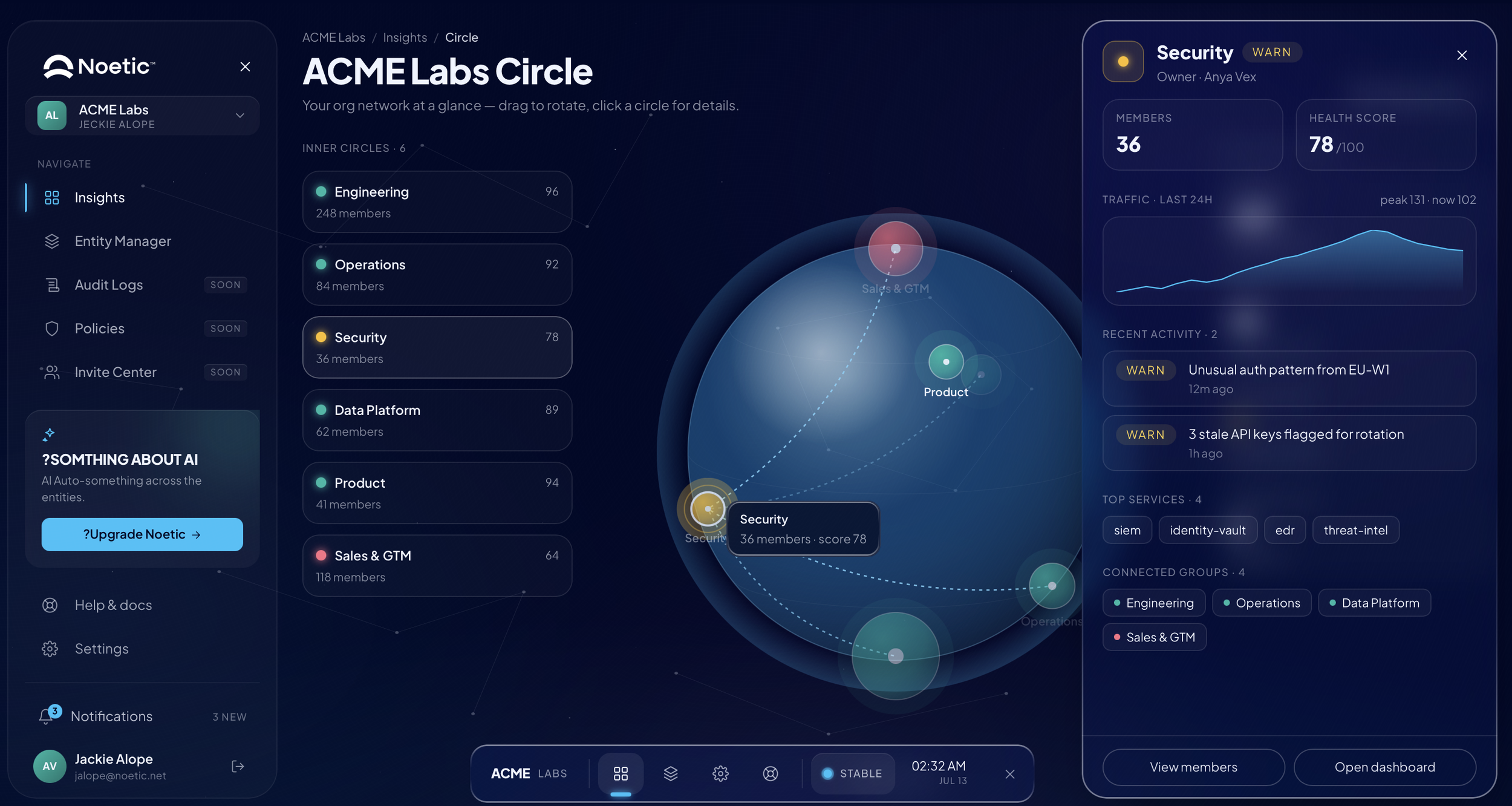
Web application for admins to check their network health
-
A startup setting with a small team, resources, and platform constraints that made a traditional handoff too slow.
-
Get stakeholder buy-in fast enough to keep momentum, without sacrificing fidelity to the design system once it reaches engineering.
Hypothesis
Using Claude Design alongside our existing Figma workflow would let us move from concept to an interactive, stakeholder-ready PoC fast enough to keep the room engaged — and close enough to spec that the eventual build wouldn't drift from the design intent.
Problem statement
Concepts approved in a stakeholder session were losing momentum by the time a clickable prototype existed — the gap between "here's the idea" and "here's something you can react to" was too wide.
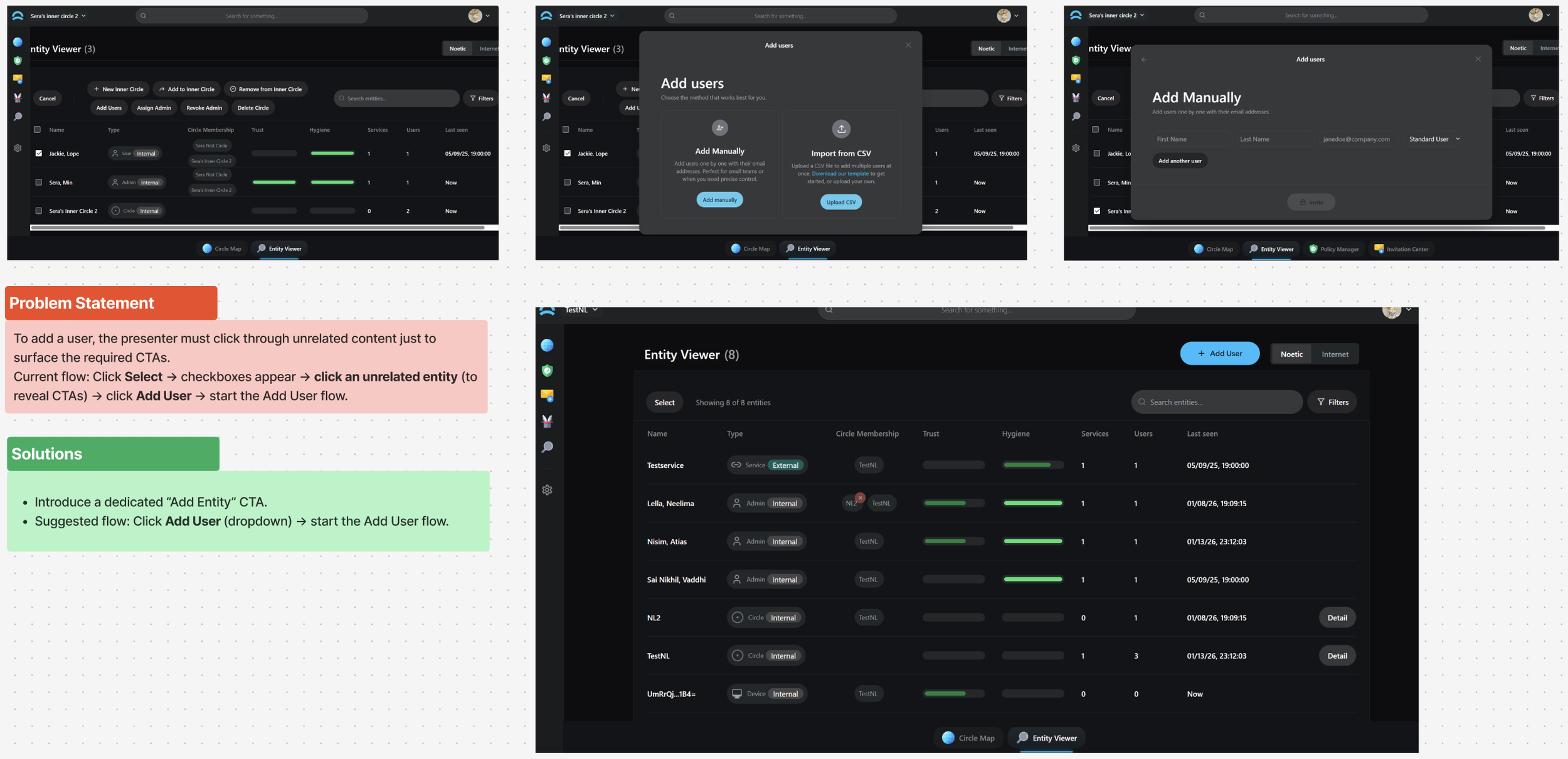
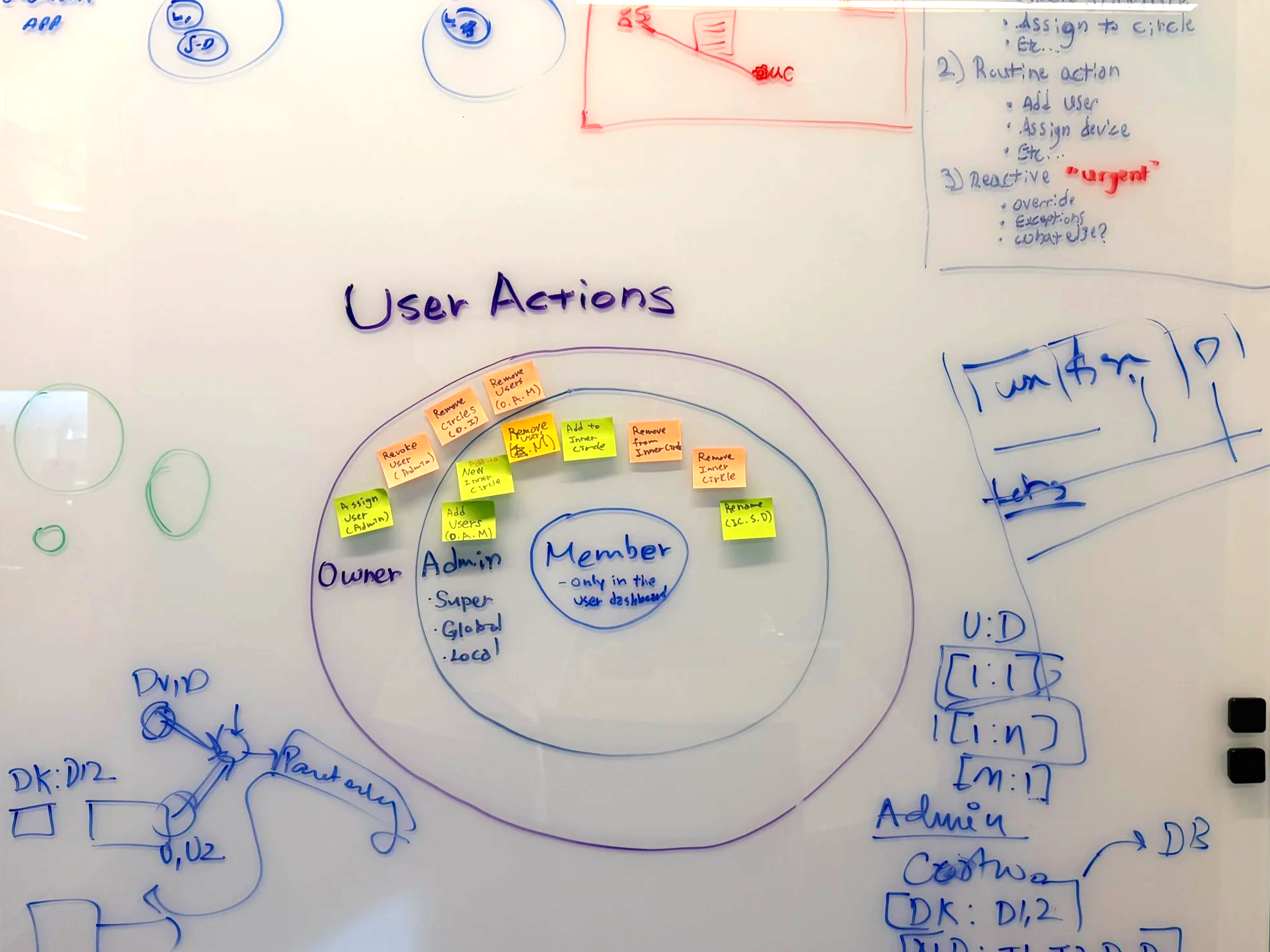
Research
Stakeholder alignment: Working sessions with the VP of Product to define what "approved" needed to look like before engineering time was committed.
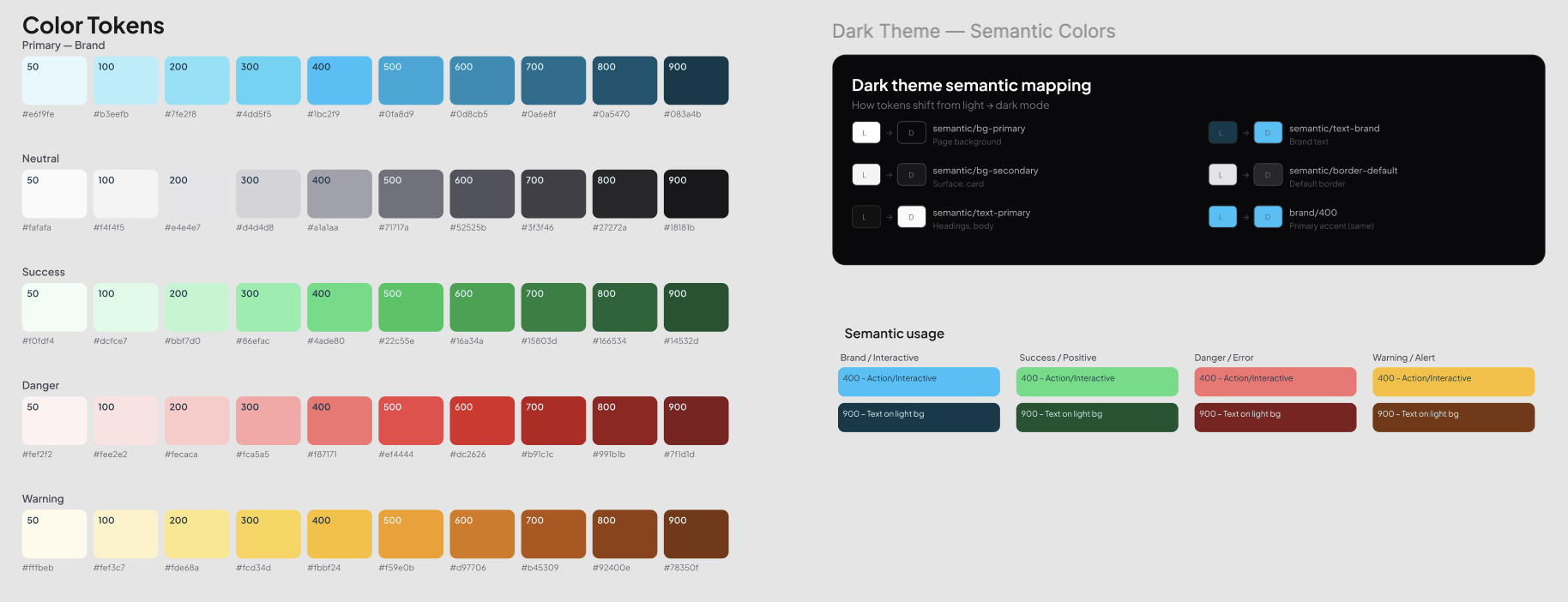
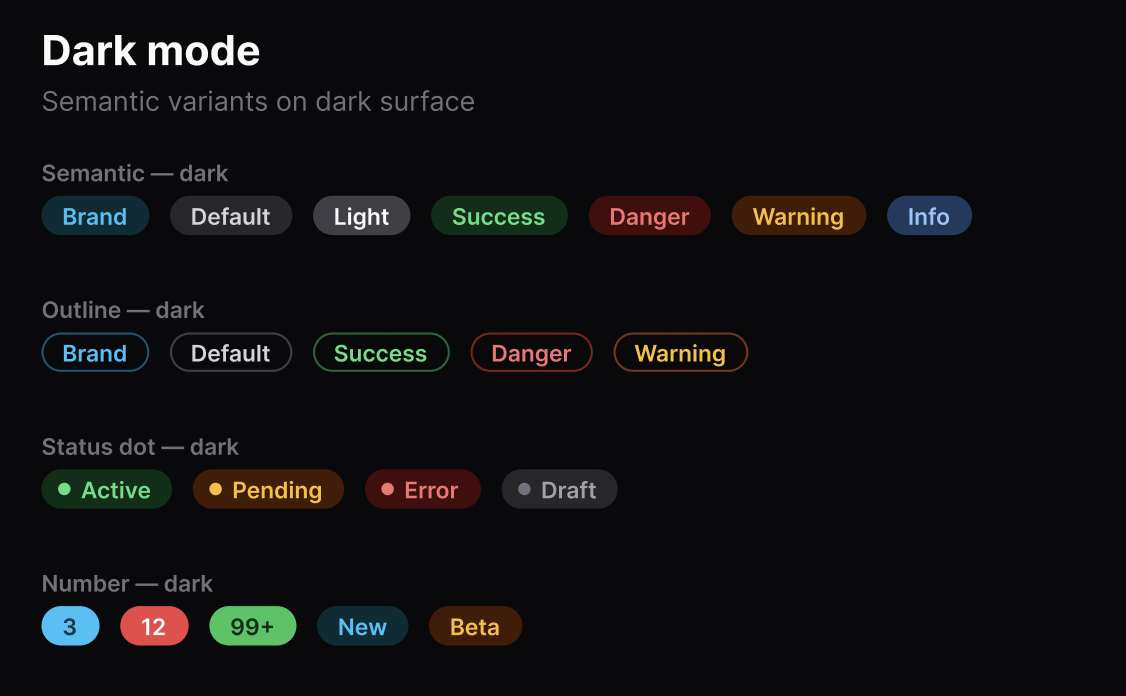
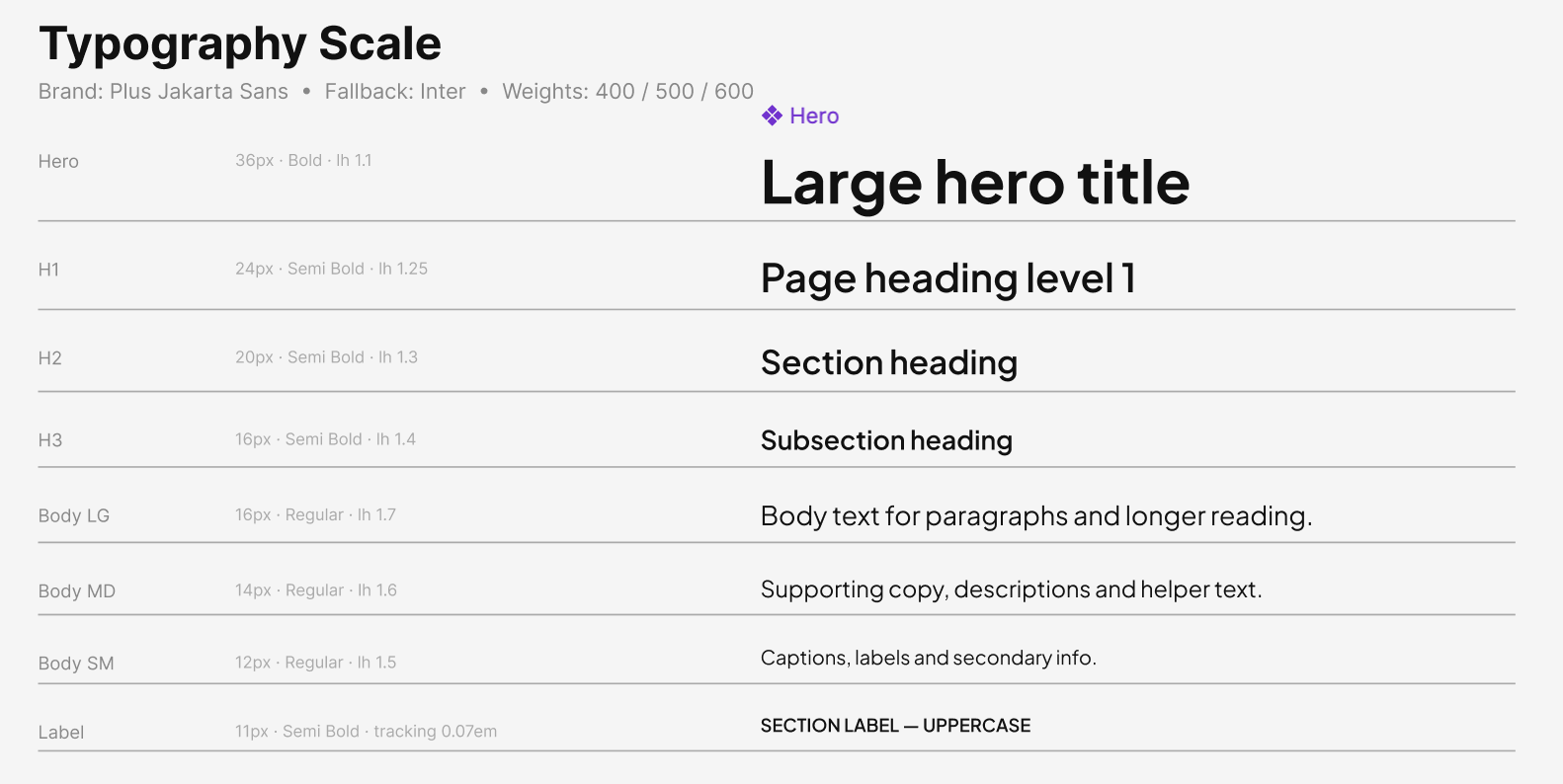
Design system audit: Reviewed the existing Figma component library to confirm what Claude Design would need to reference to stay on-spec.
Tooling evaluation: Chose Claude Design over other options because it met the team where they already were — engineering was already building in Claude Code, and its Figma integration meant designs could move from spec to build without leaving that workflow.
Design Sprint
Moved from concept to an approved POC in a compressed loop — building in Claude Design directly off the Figma direction rather than handing off in stages.
Concept session: Whiteboard framing with VP of Product
Figma direction: Key screens and states defined against the design system
First interactive POC: Built in Claude Design from the Figma spec
Stakeholder review and sign-off: Reviewed live, approved to move into production
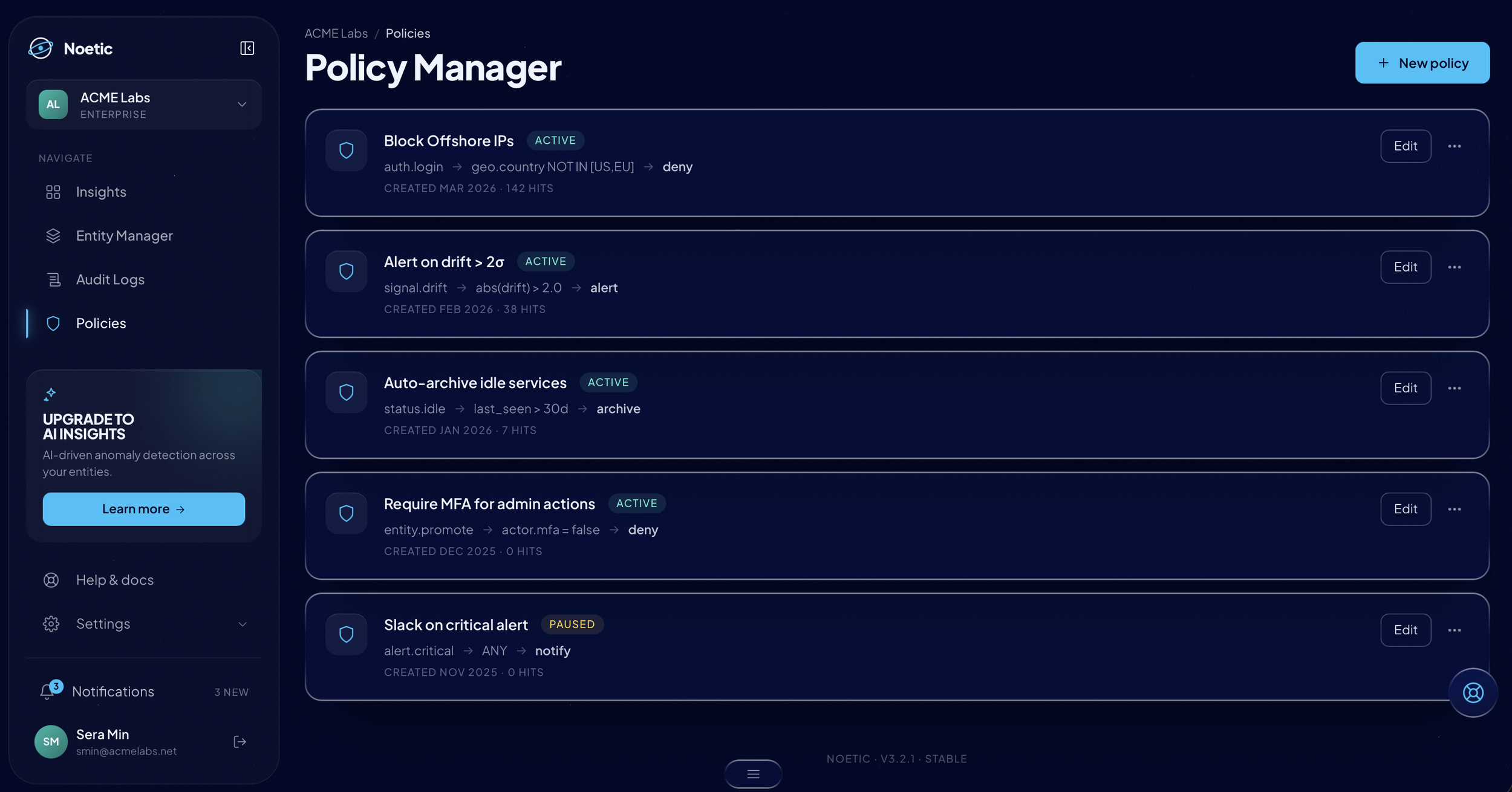
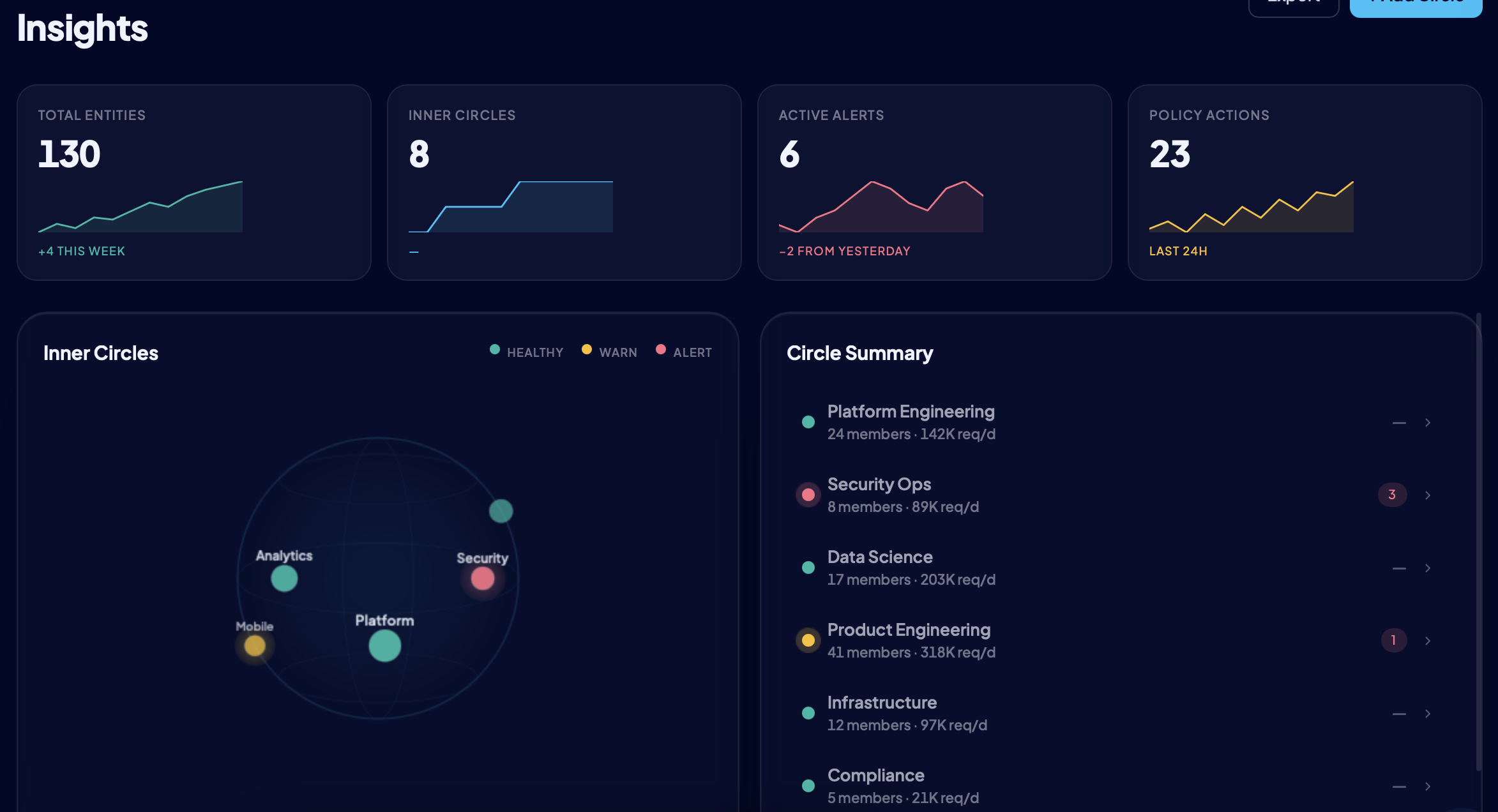
Handoff journey mapping
Mapped step by step what happens to a design as it moves from Figma spec through Claude Design into a shipped build — and where junior designers pick it up to extend the pattern.
Gave design, engineering, and the wider team a shared reference for where responsibility was handed off at each stage, instead of relying on tribal knowledge.
Outcomes
The fidelity between the Figma spec and the shipped build held up under inspection — spacing, states, and interaction detail matched closely enough that engineering didn't need to guess.
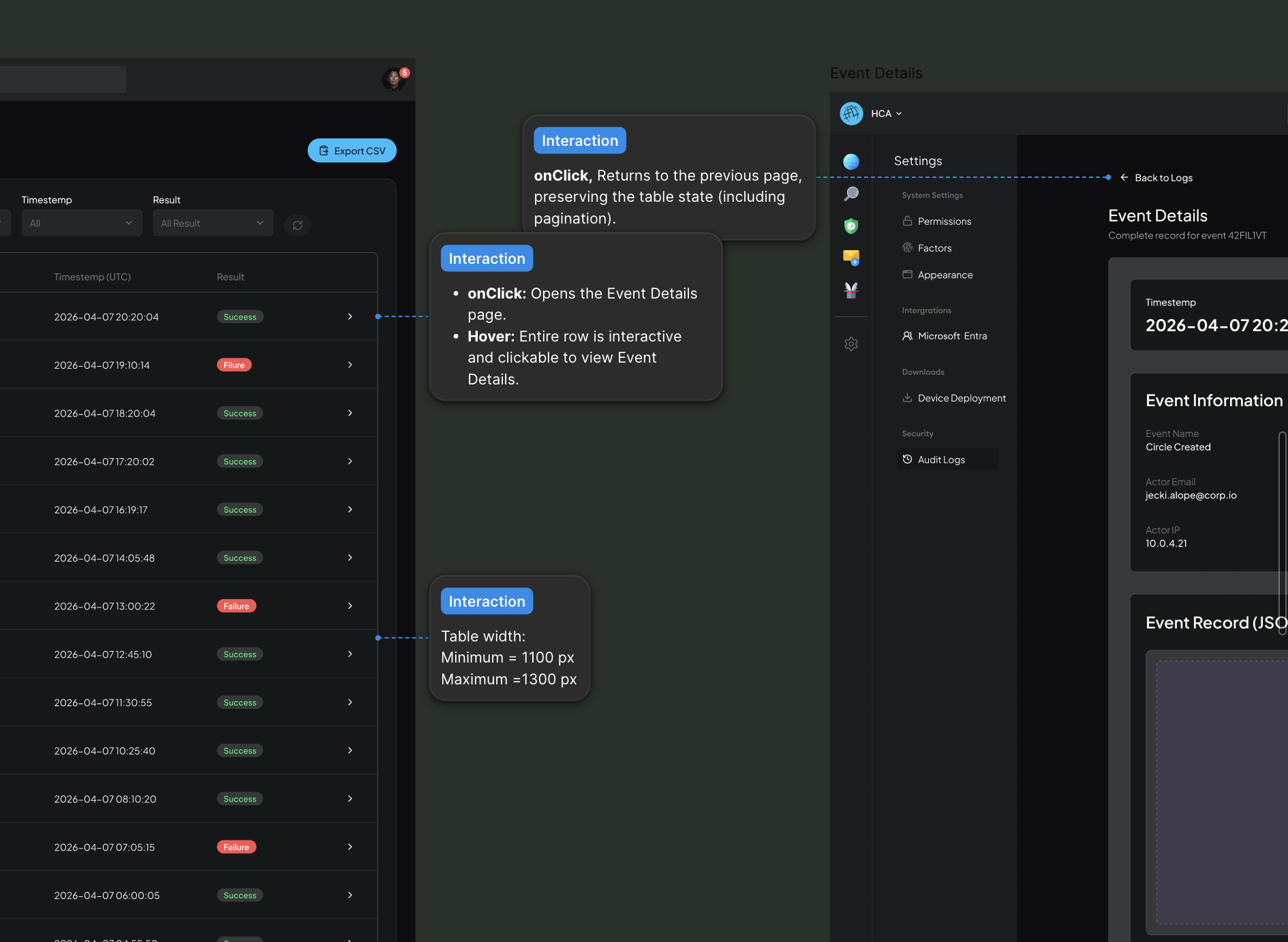
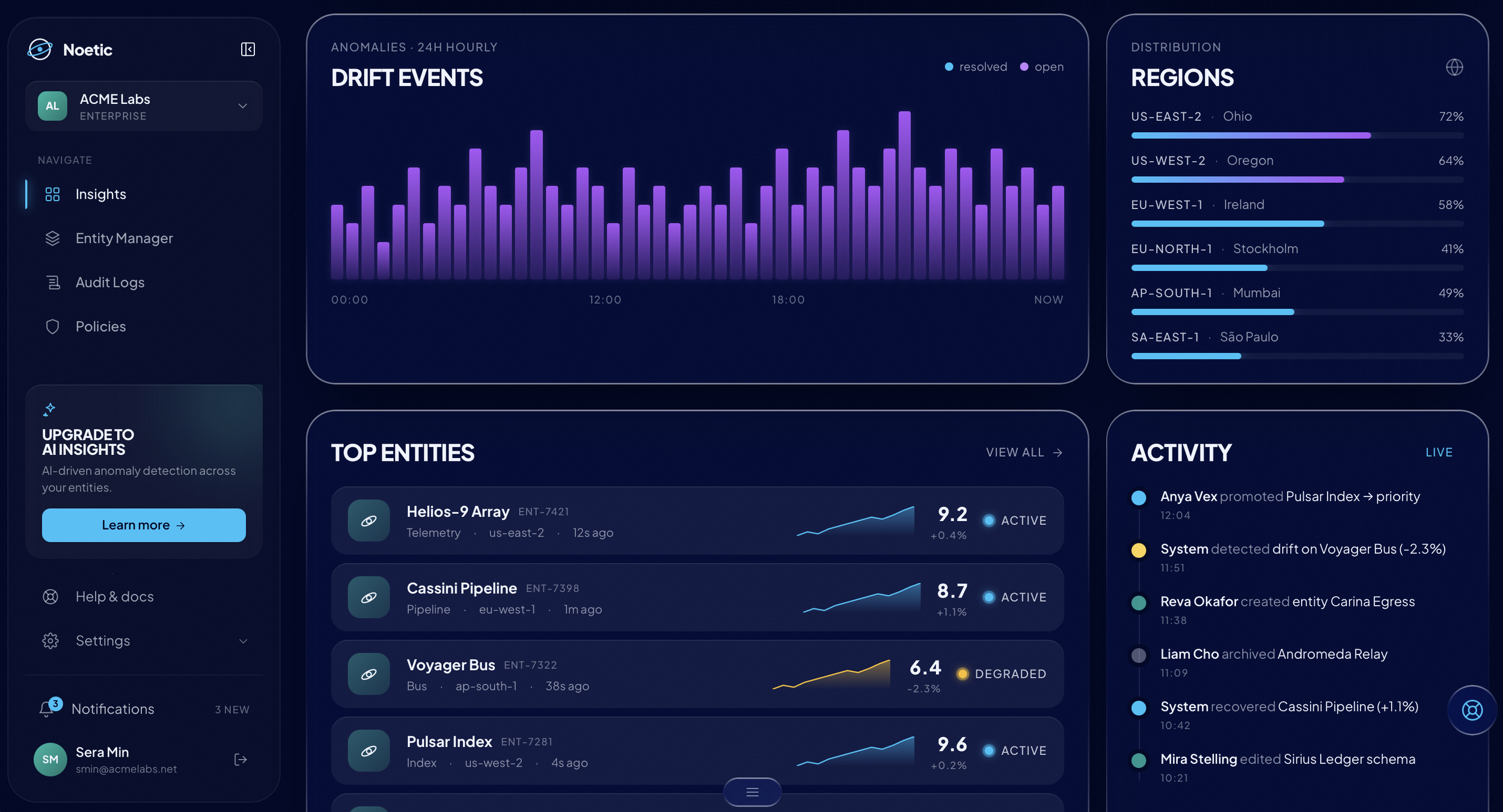
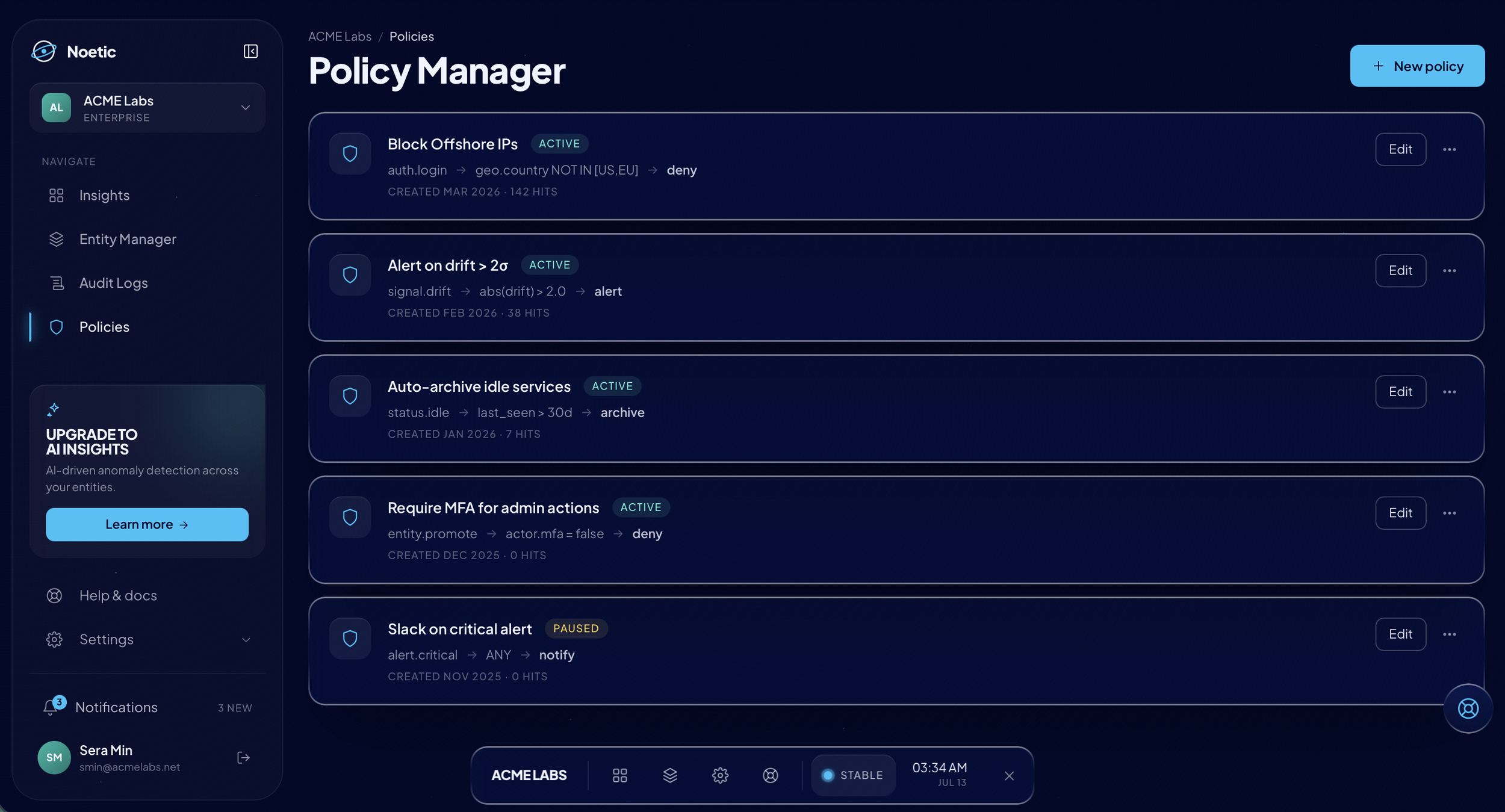

Scaling to the team
Once the pattern was validated, the work shifted from building to directing. The approved components and rules were packaged so junior designers could extend the pattern across the rest of the product without re-litigating the core decisions.
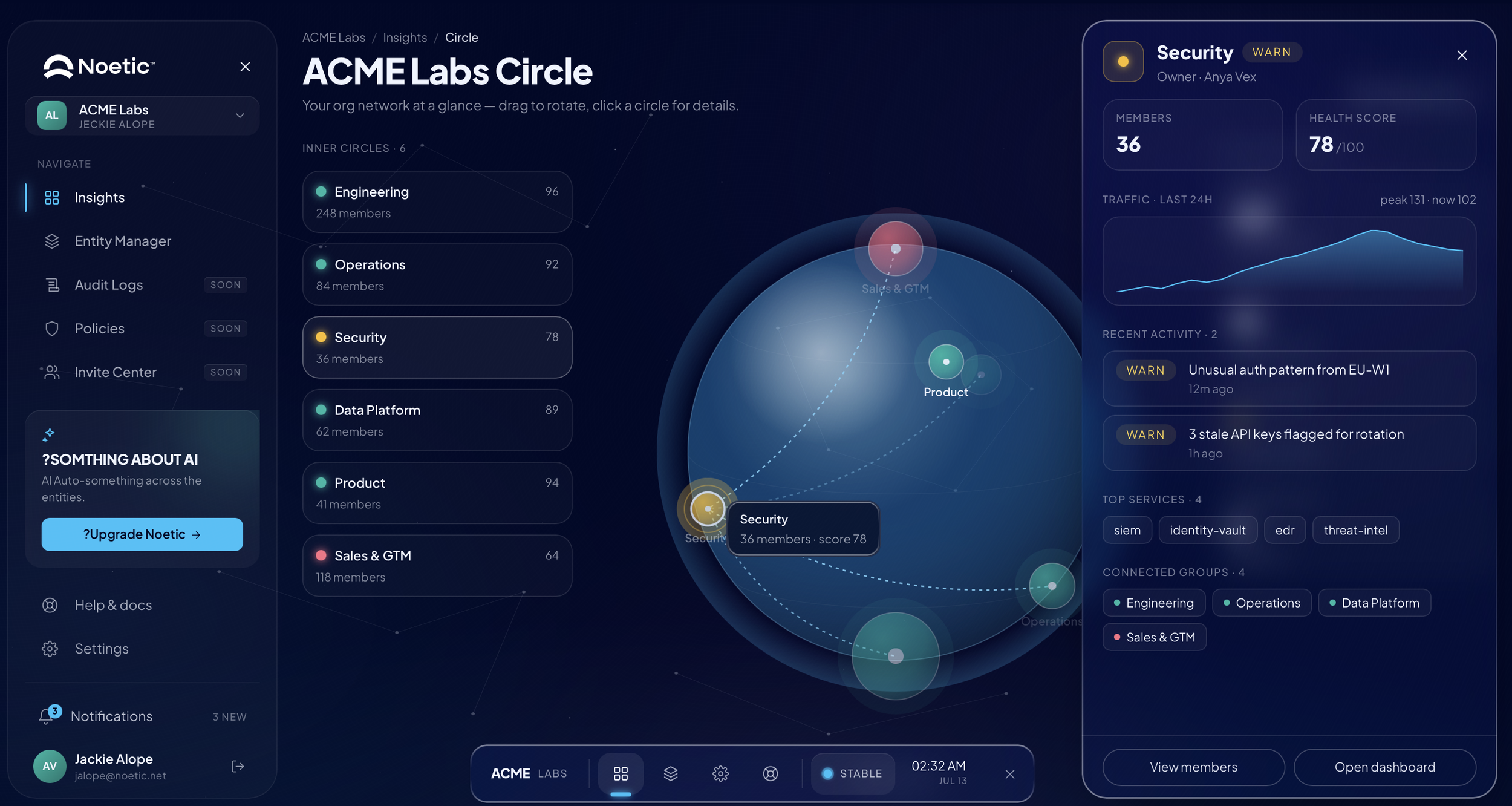
Consistency in the handoff
Keeping Claude Design tied to the existing Figma design system meant the fast path didn't come at the cost of brand and product consistency — every screen it produced still spoke the same visual language as the rest of the product.